
Overlanding is self-reliant travel to remote places, where the journey is the destination. You drive, camp and explore for days, carrying everything you need. The best part? You do not need a giant expedition truck to get started.
What Is Overlanding?
Overlanding combines off-road driving and camping. Unlike rock crawling, the goal is not to tackle the hardest trail, but to travel long distances on backroads and dirt tracks, camping along the way.

The Vehicle: Start with What You Have
Most stock SUVs and pickups with decent ground clearance can handle easy forest roads and gravel tracks. Before your first trip, focus on:
- All-terrain tires in good condition, with a full-size spare.
- Recovery points on the front and rear.
- A basic service: oil, brakes, fluids, battery and belts.
Upgrades like lift kits, winches and roof tents can come later, once you know what kind of travel you enjoy.
Essential Overland Gear
Recovery Gear
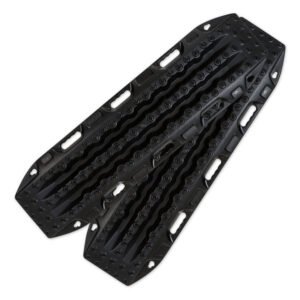
- Recovery boards
- Kinetic recovery strap and soft shackles
- Portable air compressor and tire gauge
- Shovel
Navigation and Communication
- Offline maps and a GPS
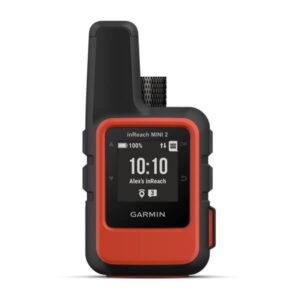
- A satellite communicator for areas with no cell service
- Two-way radios when traveling with other vehicles
Camp Setup
- Tent (ground tent or roof tent)
- Sleeping bags and pads
- Camp stove, cooler and water containers
- Headlamps and a lantern
Planning Your Route
- Start with a one- or two-night trip on well-known forest roads or BLM land.
- Research road conditions, seasonal closures and fire restrictions.
- Carry extra fuel and water: at least a gallon of water per person per day.
- Share your route with someone at home.

Overland Etiquette
- Stay on designated roads and trails.
- Camp in established sites when possible.
- Pack out everything, including trash and waste.
- Respect wildlife, landowners and other travelers.
Travel with a Buddy
For your first trips, go with at least one other vehicle. If one gets stuck or breaks down, the other can help.
Gear We Recommend

As an Amazon Associate I earn from qualifying purchases.
Read next: off-road recovery 101 and how to air down your tires.