
A fishing knot is the weakest point between you and the fish. Tie it wrong and even the best rod and reel will not save you. The good news is that you only need a few reliable knots to handle almost every situation. Here are the five every angler should know.
1. Improved Clinch Knot
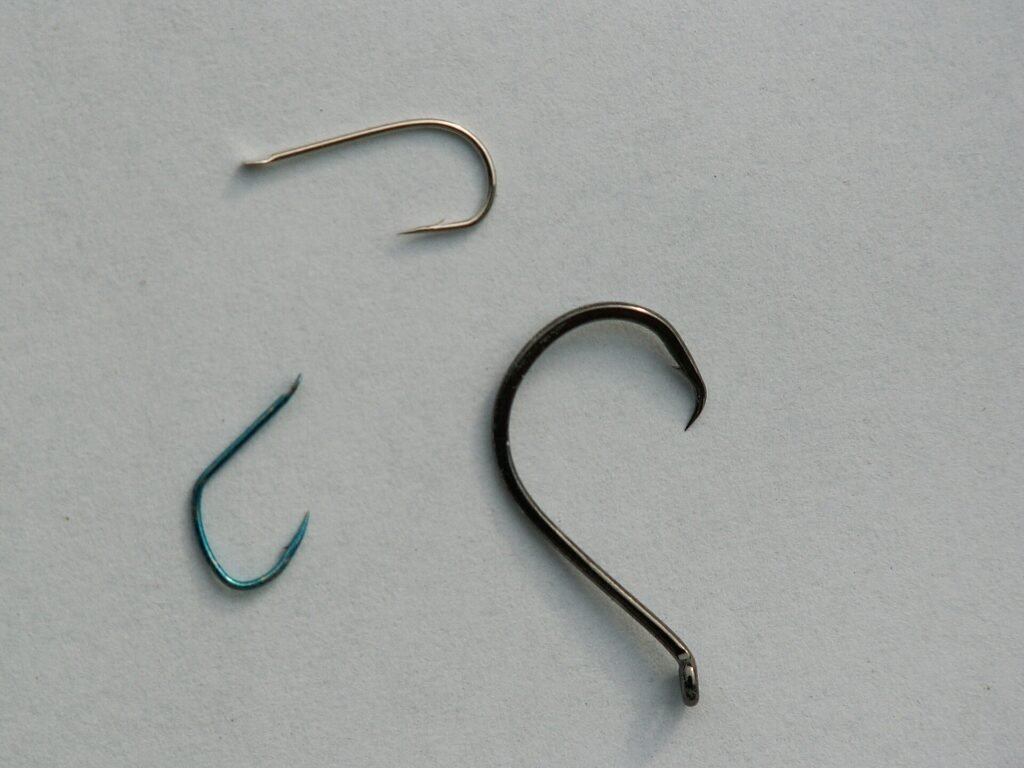
The improved clinch knot is the most popular knot for tying line to a hook, lure or swivel. It works great with monofilament and fluorocarbon.
- Pass the line through the eye of the hook.
- Wrap the tag end around the main line 5 to 7 times.
- Pass the tag end through the small loop near the eye, then through the big loop you just made.
- Wet the knot, pull it tight and trim the tag end.
2. Palomar Knot
The Palomar is one of the strongest and easiest knots, and it is the go-to choice for braided line.
- Double about 6 inches of line and pass the loop through the hook eye.
- Tie a simple overhand knot with the doubled line.
- Pass the hook through the loop.
- Wet and pull both ends to tighten, then trim.
3. Uni Knot
The uni knot is incredibly versatile. You can use it to tie on hooks and lures, attach line to your reel spool, or join two lines together.
- Pass the line through the eye and double it back.
- Make a loop with the tag end and wrap it around both lines 6 times inside the loop.
- Pull the tag end to snug the wraps, then slide the knot down to the eye.
4. Double Uni Knot
Need to join braid to a fluorocarbon or mono leader? The double uni is two uni knots tied around each other. It is strong, slim and passes easily through rod guides.
- Overlap the two lines by about 8 inches.
- Tie a uni knot with each tag end around the other line (use 8 wraps for braid, 5 for mono).
- Pull the main lines to slide the knots together, then trim.
5. Loop Knot (Non-Slip Loop)
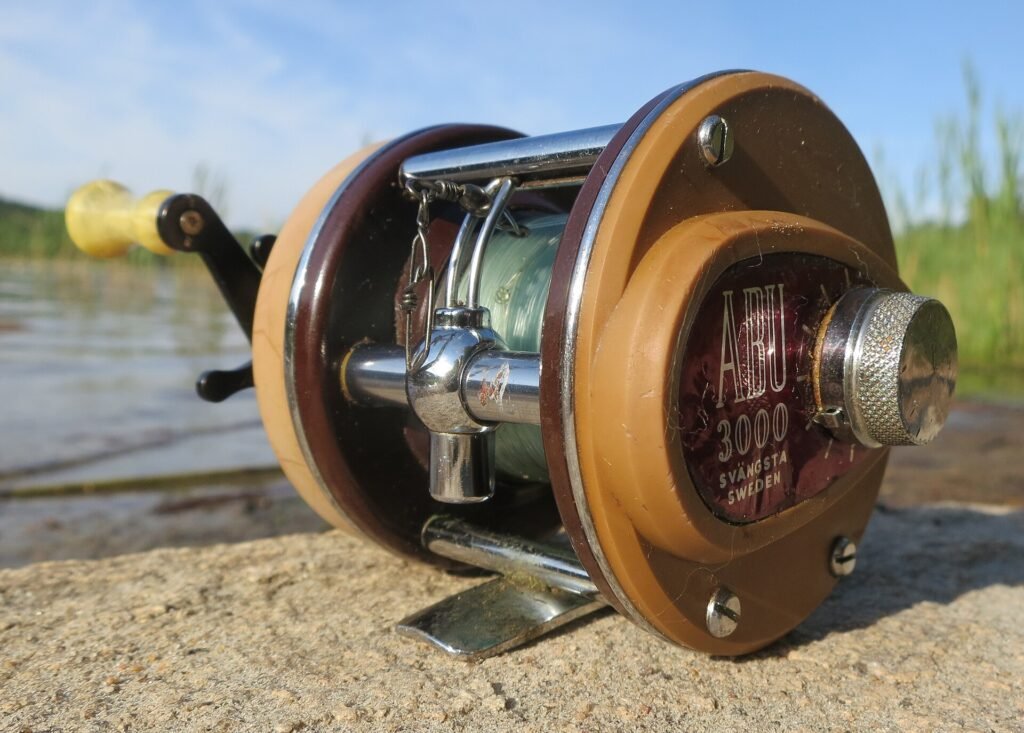
A loop knot lets your lure swing freely, giving it more natural action. It is ideal for jerkbaits, topwater lures and jigs.
- Tie a loose overhand knot in the line and pass the tag end through the lure eye and back through the overhand knot.
- Wrap the tag end around the main line 4 to 7 times.
- Pass it back through the overhand knot, wet and tighten.
Tips for Stronger Knots
- Always wet the knot before tightening to reduce friction and heat.
- Leave a small tag end (about 1/8 inch) after trimming.
- Test every knot with a firm pull before you cast.
- Retie often, especially after catching a fish or snagging.
- Use good pliers or line cutters for clean trims.
Gear We Recommend

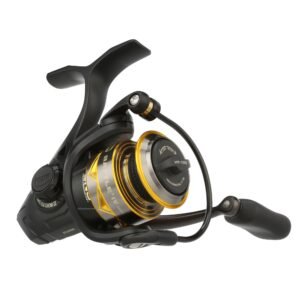
As an Amazon Associate I earn from qualifying purchases.
Ready to put your knots to work? Check out our guide to the best fishing rod for beginners and our basic fishing kit.